Find It Fast
- About
- Basics: Cut Up a Rabbit | Cut up a Squirrel | Buttermilk Fried Rabbit
- Recipes: Rabbit | Squirrel | Hare/Jackrabbit
About
How do you cook a rabbit? This is how. Below is my collection of rabbit recipes, yes, but also for hares and squirrels. All are among my absolute favorite animals to eat.
These rabbit recipes cover both wild and domesticated animals. Keep in mind that a store-bought rabbit will be larger and more tender than a cottontail. Cottontails feed maybe two people, a domestic rabbit feeds four easily. In general, you make a rabbit tender by slow cooking it, if it’s wild. Store-bought rabbits can be fried or even poached and still be tender.
At the table, these critters are often maligned as “poor people’s food.” I get annoyed at this, because rabbits and especially squirrels can be far more interesting to eat than venison. But hey, let everyone else think they’re no good. More for us.
Rabbit and its related meats are all high in protein and very low in fat. Rabbit is higher in protein and lower in fat and calories than a comparable weight of beef, lamb, turkey, pork or chicken.
The eating of rabbits and hares has a venerable history in Europe. Greeks, Germans, Spaniards and Britons love rabbits and hares, as do Italians in certain regions. Most of the recipes I will post here come from these traditions. As for squirrels, these recipes are almost uniquely American. After all, squirrel-eating is as American as apple pie. In fact, the original chicken pot pie was actually a squirrel pie. Really. And it is wonderful.
Hares, on the other hand, are, well, a whole different animal. Hares are mostly known in America as jackrabbits, although those blessed with snowy weather get snowshoe hares as well. They are better eating than jacks, although I like both. Hares are large, up to 12 pounds in some cases, and one will serve six easily. Hares are also dark meat; they look more like beef than chicken. And finally, hares live longer and so tend to be tougher. They are best served braised.
In fact, rabbits, hares and squirrels are all best braised.
Unless you are lucky enough to get a young one. You can tell this in a rabbit or hare by their ears: Tear them lengthwise, and if they tear easy, the animal was young. With a young rabbit or squirrel in hand, you really oughta make that pinnacle of rabbit recipes, Southern Fried Rabbit, preferably with greens and sweet potatoes. You’ll like it better than fried chicken.
Basics
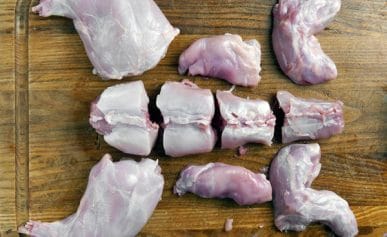
How to Cut Up a Rabbit
Most rabbits come whole in the store, and all rabbits come whole when you hunt them, so you will need to know how to cut up a rabbit properly. Here’s how.
Read More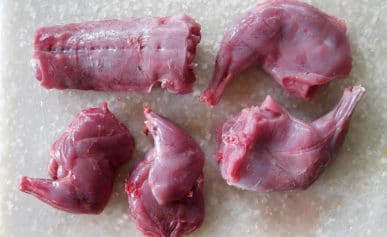
How to Cut Up a Squirrel for Cooking
Squirrels are a lot like rabbits, but since they are smaller you cut them up in a slightly different way.
Read More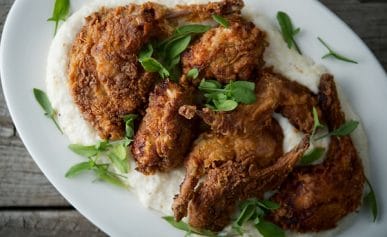
Buttermilk Fried Rabbit
The classic. If you ever get a young cottontail or squirrel, make this recipe. And if you are cooking domestic rabbits, definitely make this recipe. You will eat more than you think you can…
Read MoreRabbit Recipes
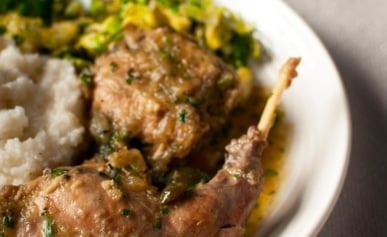
The White Rabbit
This is an Italian-inspired recipe that highlights the delicate flavor of the rabbit. Easy, yet sophisticated.
Read More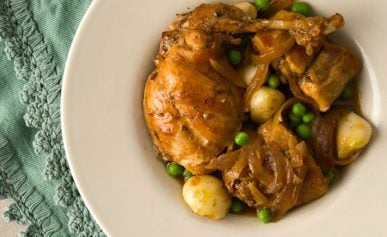
Braised Rabbit with Garlic
A similar recipe to the one above, only from Spain. This is easy, satisfying and pretty to look at. What’s not to love?
Read More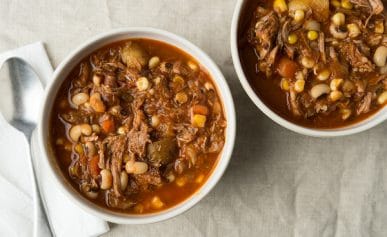
Kentucky Burgoo
This is a big, hearty stew that always has at least three meats in it. In this recipe it’s squirrel, venison and pheasant. Feel free to improvise on your own!
Read More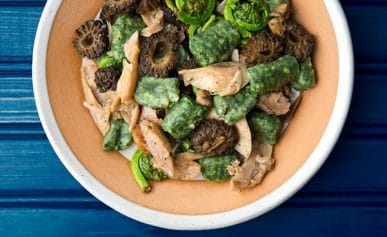
Rabbit with Morels and Gnocchi
Slow-cooked rabbit served with pasta and mushrooms. This can be as fancy or as simple you want it to be.
Read More
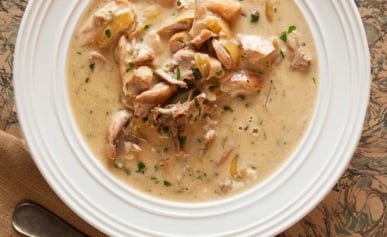
German Rabbit Stew
A light, brothy German rabbit stew made with lemon, bay leaves, capers and sour cream. A knockout dish when served with roasted potatoes.
Read More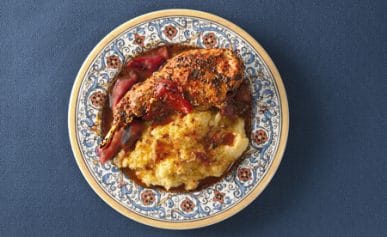
Calabrian Rabbit with Red Peppers
Braised rabbit with lots of roasted red peppers. Serve with bread or polenta.
Read More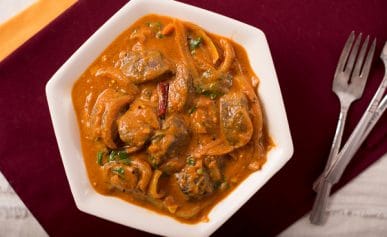
Rabbit Curry
Yep, the name is a joke, but this is a great – and easy – Indian-style rabbit curry
Read More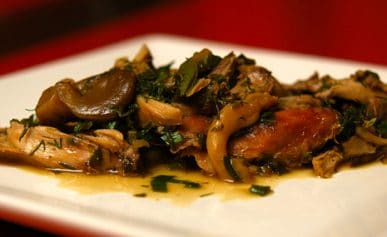
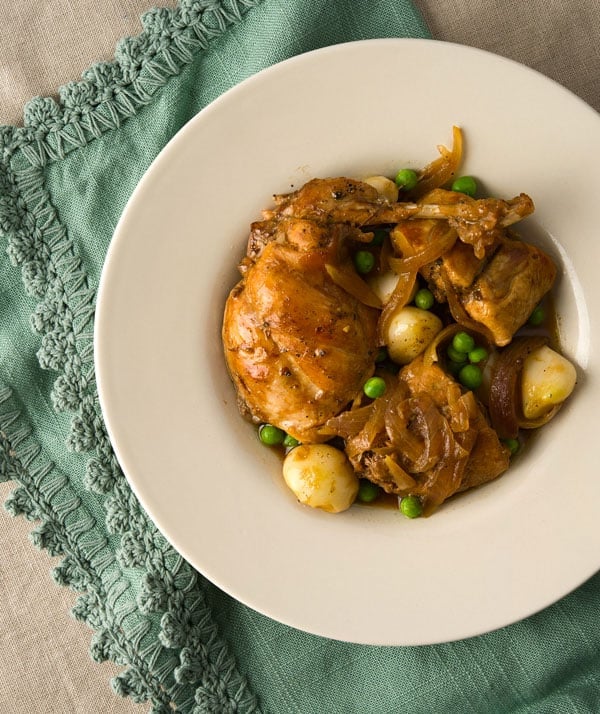
Braised Rabbit, and a New Way to Look at Food
A comforting braise that brings all of what’s good about the change of seasons on one plate.
Read More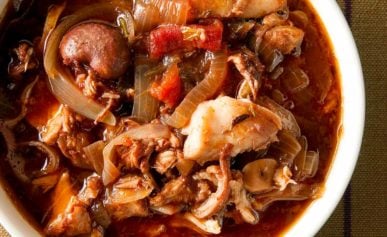
Greek Rabbit Stifado
This is the classic Greek rabbit stew, one of the best ways to cook rabbit, hare or squirrel. Red wine and LOTS of onions are the key.
Read More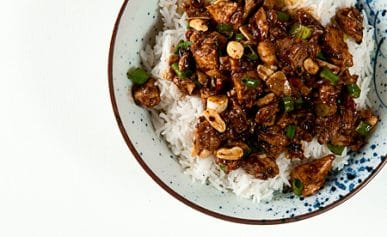
Sichuan Rabbit with Peanuts
Yep, the Chinese eat lots of rabbit, too. This is a fantastic recipe that’s a little sweet, a little hot, and loaded with peanuts. Totally a winner.
Read MoreSquirrel Recipes
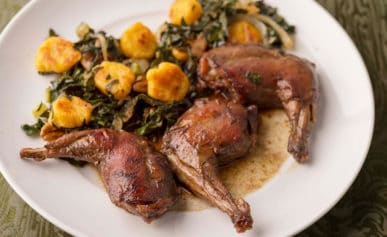
Drunken Squirrel with Pumpkin Dumplings
My take on squirrel and dumplings. And besides, squirrels like to eat fermented pumpkins…
Read More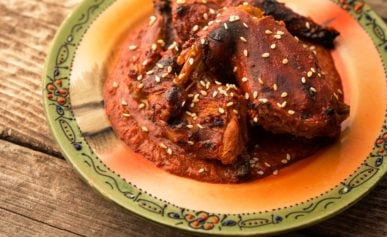
Pipian Rojo
A wonderful Mexican way of braising meats, in this case a Mexican fox squirrel. You can use any meat you’d like, though.
Read More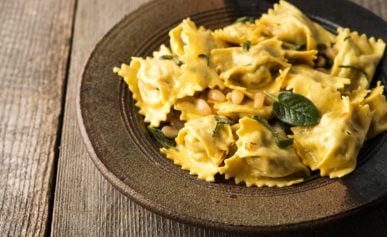
Homemade Agnolotti
Classic Italian agnolotti pasta filled with squirrel. You can use any light meat as the filling here.
Read More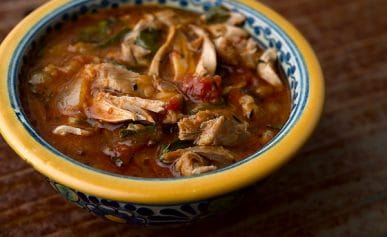
Squirrel Stew with Paprika and Greens
I made this Portuguese-style stew up on the spur of the moment, but it was so good I just had to share it with you.
Read More
Squirrel Pie
Hand pies made with a little acorn flour and filled with squirrel, walnuts, apples and melty cheese.
Read More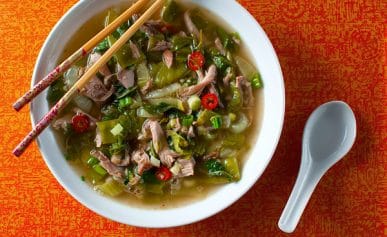
Hmong Squirrel Stew
Few cultures love squirrel as much as the Hmong, a Southeast Asian group. This is a light, aromatic stew with lots of bright, fresh flavors.
Read More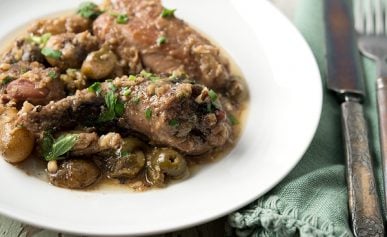
Braised Squirrel Aurora
A Spanish dish originally done with rabbit that features olives, walnuts or almonds and white wine.
Read MoreHare Recipes
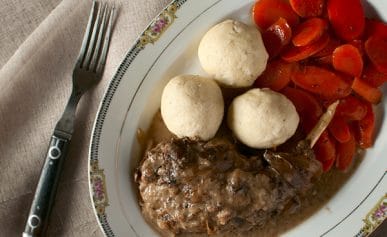
Classic Hasenpfeffer with Semolina Dumplings
To make this right, you will need a hare — snowshoe or jackrabbit — but it does of course work fine with rabbits, too. Come to think of it, squirrel is even better here. And be sure to make the dumplings. They are awesome.
Read More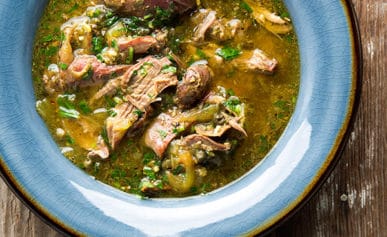
Sardinian Hare Stew
A traditional way to serve an old hare or jackrabbit, with a little saffron and capers. Slow cooking brings out the flavor.
Read More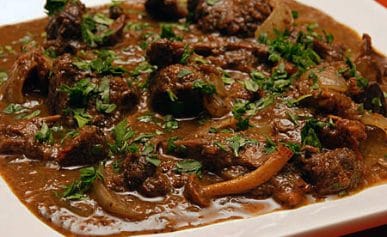
Classic Civet of Hare
An ancient recipe that’s a good Sunday dish, as it takes a while to come together.
Read More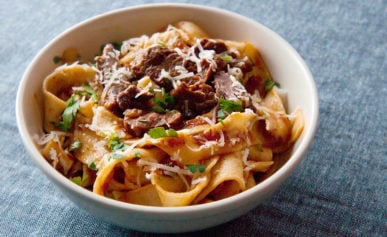
Tuscan Rabbit Ragu with Pappardelle
Another quintessential hare dish, this time from Tuscany. If there is one dish supremely meant for hares or jackrabbits, it is this one.
Read More