
As an Amazon Associate I earn from qualifying purchases.
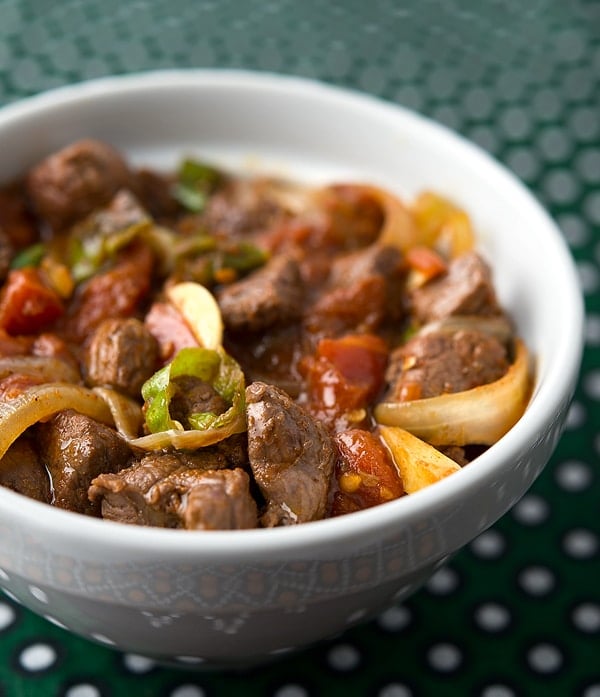
Dinner service was over. Time to finally make myself some dinner. It was almost always the same.
Blast some onions in a pan, add spiced butter, some bits of lamb, a few chiles. Dip a big spoon into our house spice mixture, toss, toss, toss. A few tomatoes, a splash of red wine. Boil like a volcano for just a minute, then you’re done. Tibs.
This was my nightly routine at my first restaurant job, at an Ethiopian place called The Horn of Africa, in Madison, Wisconsin, back in 1992. The Horn was owned by an Eritrean woman named Meselesh Ayele, and the little bar at the back of the restaurant was a sanctuary for the expatriate African community of Madison — yes, one existed. They were mostly students, researchers or professors at UW. I learned a lot drinking with that crew.
Once the restaurant’s dinner service was over, which normally wasn’t that late, I’d make myself some food and take a spot at the bar. It wasn’t long before this guy from Djibouti called me out on my menu choice. I forget his name, but he had this huge, booming voice like that Trinidadian dude from the 7-Up commercial in the 1980s, only with a slightly French accent. I use to piss him off my calling him “My Favorite Frenchman,” since the French basically owned Djibouti.
“Hey, man,” he say, “Why you always eat the same thing? Every night. Tibs. Tibs, tibs, tibs. They should call you Mister Tibs!” He thought this was the funniest thing he’d ever heard, and the name stuck. From then on, I was Mr. Tibs. (Please tell me you get the reference to the Sidney Poitier movie… )
Tibs is the name for one of the cooler Ethiopian dishes out there. It’s a hybrid stir fry and stew that comes together in an instant, is meaty, rich and can be spicy as hell. Served with bread, rice or, more properly, injera flatbread, it was and is my favorite Ethiopian dish. I always made it with lamb, but we also served it with beef — and now I use venison.
I remembered how to make it from back then, but I never had an actual recipe. So when I went looking, it took some time.
I finally created the recipe below, from an amalgam of recipes, the best of which is in a little book called Exotic Ethiopian Cooking: Society, Culture, Hospitality, and Traditions. It’s hard to find, but it you do, buy it. It’s the best Ethiopian cookbook I know of.
Those were fun days. I was a graduate student, cook, rookie journalist and distance runner. I worked hard and played harder. Tibs was my go-to fuel back then, and I am glad to be able to bring it back.
When you read through this recipe, I know it sounds like a lot for a simple plate of food, but if you do this, you will not be sorry. The flavors are exotic, mesmerizing and addictive. And once you have the basic ingredients, they all last for months. So you can make it again. And again.
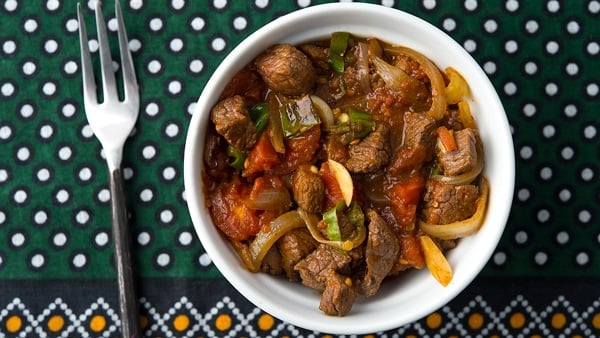
Tibs, Ethiopian Stir-Fried Beef or Venison
Ingredients
- 1 large red onion, about 2 cups, sliced thin
- 1/4 cup niter kebbeh or ghee spiced butter
- 2 pounds venison, lamb or beef, cut into bite-sized pieces
- 2 tablespoons berbere
- 1 teaspoon ground fenugreek
- 1/2 teaspoon cardamom (optional)
- 1/2 teaspoon ground ginger
- 1/4 teaspoon cumin
- 1/4 teaspoon ground clove
- 1 teaspoon black pepper
- 3 to 4 garlic cloves, sliced thinly
- 2 cups whole peeled tomatoes, broken into bits
- 1 to 5 green chiles, such as jalapenos or serranos
- 1/2 cup red wine
Instructions
- Get the saute pan or wok very hot. Stir-fry the onions without the butter for a few minutes, until they char just a little on the outside. Add the spiced butter and the venison. Stir-fry hot and fast until the outside of the meat is brown but the inside of the meat is still very rare. You need to do this on as hot a burner as you have. Do it in two batches unless you have a very large wok or pan.
- The moment the meat has browned, add it all back into the pan along with the spices, garlic and chiles. Stir-fry another 30 seconds or so, then add the tomatoes and the wine. Toss to combine and let this cook for a minute or two. Serve at once with bread or injera.
Nutrition
Nutrition information is automatically calculated, so should only be used as an approximation.



What kind of red wine do you use?
Tammy: Doesn’t really matter. Definitely nothing special, just maybe an inexpensive Merlot or something. Definitely a dry red wine, too.
Hank,
On your recommendation I purchased ” Exotic Ethiopian Cooking: Society, Culture, Hospitality, and Traditions”. Not sure what to think. The recipes call for spices such as Bishop’s Weed, False Cardomom, Rue, Sacred Basil, Long Nutmeg, and others that I can’t find online nor are there recommended substitutes. Any suggestions?
That is an excellent cookbook recommended to me by an Ethiopian woman many years ago. I did a quick google search & got some ideas you could use as substitutes; perhaps investigate further.
We love this recipe. We always make it with lamb, which I carefully trim, ending up with super tender meat. The niter kibbeh lasts forever in the refrigerator. I make a big batch of injera with teff flour and freeze portions. I always make misir wat as a side dish. Definitely one of our favorite meals.
Thanks for the recipe.
What kind of beef do you use?
Jennifer: I don’t use beef now, I use venison loin. But when we used beef at the restaurant, we used sirloin.
I made this tonight and it was excellent! Thanks so much for the great recipe.
My only regret is that I’ve know about this dish for about as long as I’ve been making Hank’s recipes, and it has taken me years to actually get around to trying it. This is excellent stuff, and I will most definitely be making it again, especially since I have tons of the spiced butter sitting in the fridge now.
Hank, I absolutely love tibs. I’ve made your recipe several times and love it. I’m usually just cooking for me so I halve the ingredients but it still tastes amazing.
Do you have a recipe for Kik Alicha? If so, I’d love to add that to the arsenal.
This one is pretty great. https://www.spachethespatula.com/ethiopian-feast-yekik-alicha-turmeric-yellow-split-peas/
Can you substitute the beef for fish?
Awesome recipe. I’ve been making tibs for many years and finally perfected it to it being better than what I get at most restaurants.
I live in MD where we have a healthy Ethiopian population so the competition is stiff when it comes to good Ethiopian food. Coming by the ingredients for the recipe is also not hard too.
When I make it, I follow this recipe mixture, including mixing in the berbere and niter kibbeh (instead of placing it while cooking) and let it marinate in the fridge. I take it out and cook a little at a time when I’ve set my plate and am ready to eat.
There is no other way to eat this than immediately after cooking!
The way I make this differs somewhat. I’m Indian so one different thing I do is put in some fresh curry leaves from the garden along with the Rosemary which imparts a great taste when mixed. Try it if you have it.
I always use lamb as it gives the best taste for me.
First,
I blast the wok on max heat on an induction stove. Let it smoke and place in some Avocado oil.
Then I put in the slightly bigger than small pieces of marinated lamb with the fat intact (this is important) along with some curry leaves and sprigs of Rosemary. Mix well. Let it brown adequately, but still rare in the middle.
Then, I put in the onions along with one sprig of chopped scallions. Mix well and let it get browned as well.
Place in some sliced garlic and a little ginger and ample Jalapenos (I only use Jalapenos as it imparts the best flavor for this dish.) Mix well.
Once the lamb is 90% cooked, I put in some sweet wine (Manischewitz is my favorite for meats) which was heated in the microwave so as to not slow down the cooking process. Let it get properly absorbed in the lamb.
Last, I place some tomatoes cut medium size into the pan and cook for another 30 seconds.
When plating, I sprinkle a little chopped scallions on top and place it on top of the injera (get the one that has more teff in it than barley) and have a really remarkable tibs dish. Also have it usually with some tasty shiro wot, which is remarkably easy to make once you get the shiro powder.
The whole cooking process for the tibs shouldn’t take more than three to four minutes when cooking it to medium or medium rare. This is by far one of my stand out dishes and having a stove that can reach high temperatures and that wine for me is key.
Excellent recipe! I like it hot, but even I had to cut the berbere powder in half (I used Penzey’s) to make it manageable. The recipe, though, is solid.
Is there an alternative for the wine? Non-alcoholic and alcoholic. Would that immensely change the flavor profile?
Jahan: You could use broth or water. It will change the flavor a bit, but it will still work.
I’ve eaten tibs in various towns in Ethiopia, from Aksum and Addis Ababa to the Rift Valley … my favorite dish. I followed your recipe religiously and it turned out perfect – it took me straight back to Africa. Delicious!!
Great recipe and background! BTW Jeffrey Holder was the UnCola Man. He was from Trindad & Tobago
Martin: Thanks! And thanks for the background on Jeffrey Holder.
Delicious recipe, and I make it a stew instead. With beef, no browning of the meat. I cook the onions with the niter kibbeh, add the peppers, spices, tomatoes, garlic, and wine, toss in the meat, bring to a simmer in a Dutch oven, and then simmer in the oven for a few hours. House is perfumed for days! Wonderful recipe.
Thanks, Cathy — I did 1.5 hours at 300 degrees, along with your tips, and it was great!