
As an Amazon Associate I earn from qualifying purchases.
Berbere spice mix is essential to Ethiopian cooking, along with the clarified spiced butter known as niter kebbeh. Berbere (ber-BERRY) is to Ethiopia what garam masala is to India. This is my berbere recipe.
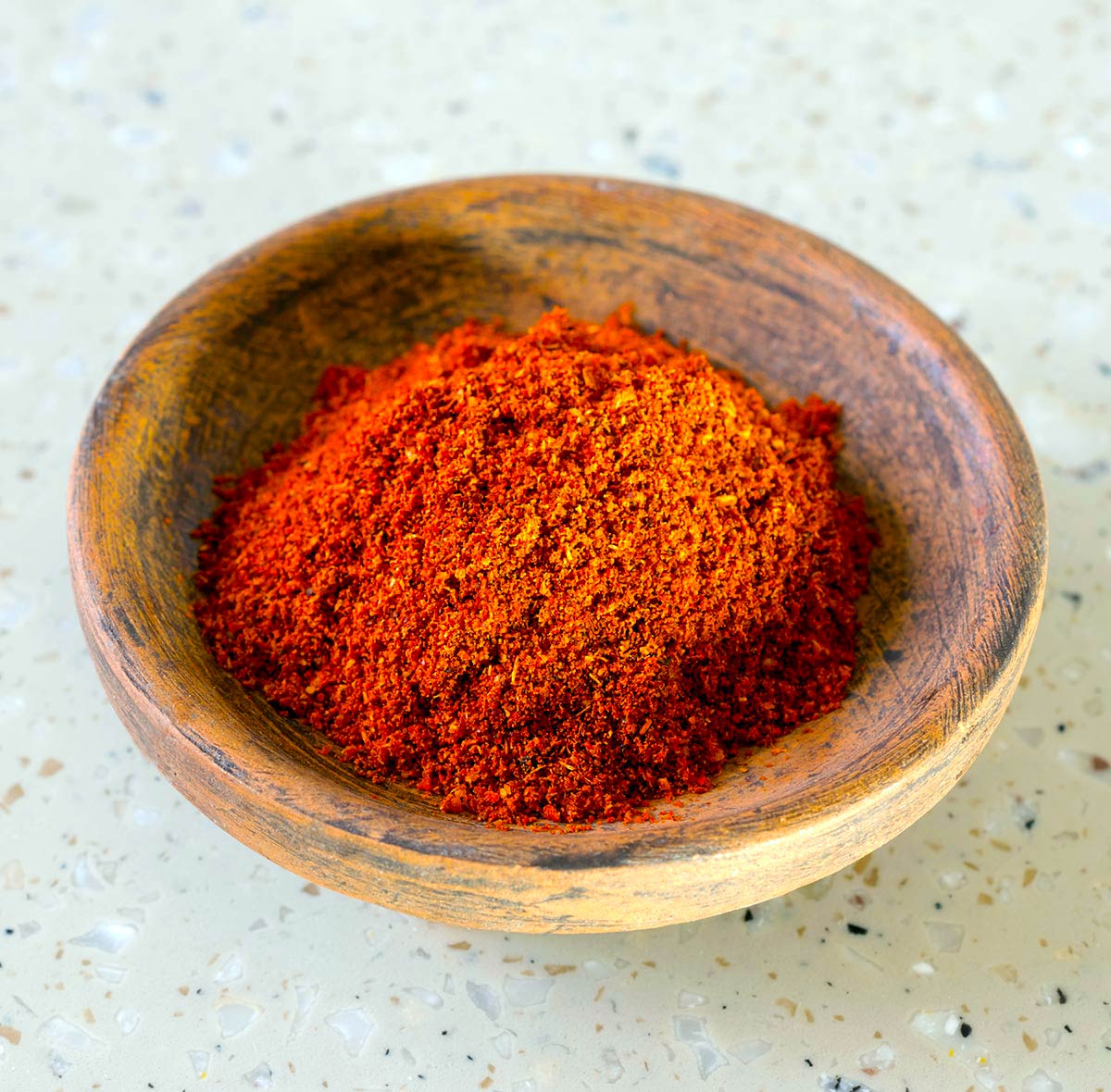
I learned this berbere recipe decades ago, while working as a sous chef at The Horn of Africa, an Ethiopian restaurant in Madison, Wisconsin.
Berbere, either as a spice mix or a paste is, more or less, the contents of your spice rack. I’m only half joking.
If you want berbere paste, you mash the spice mix with cooked shallots and garlic and a little oil and water. Both are commonly found.
What is an authentic recipe? Um, well, there isn’t just one. Berbere is like masala or a Bolognese sauce — every cook has her own version.
I learned this berbere recipe many years ago from my boss Meselesh Ayele, who owned The Horn of Africa. Knowing nothing about the cuisine — I was studying African history at the University of Wisconsin — working there was an amazing experience that helped set me on the path I am on to this day.
Berbere makes its way into most Ethiopian recipes, notably abish wot, which I make as an Ethiopian venison stew, doro wot, a chicken dish, and my all time favorite, tibs. All are classic dishes from that country. It also shows up in their version of butternut squash curry.
In fact, doro wot, a spicy chicken stew, is considered the national dish of Ethiopia. For hunters you’re in luck; remember African chickens tend to be old and tough — so a pheasant or grouse would be a far better choice than a typical American chicken. If you are not a hunter, try to find a stewing hen, or at least a roasting hen.

Or you could use venison to make a version of sega wat, which is typically done with lamb.
Meselesh told me that a bride’s berbere recipe factored heavily in whether she’d be a good wife. Dunno if that’s still true, but I can tell you she never shared the exact berbere recipe she used at the restaurant. I know the spices, just not the proportions.
Here’s what I came up with:
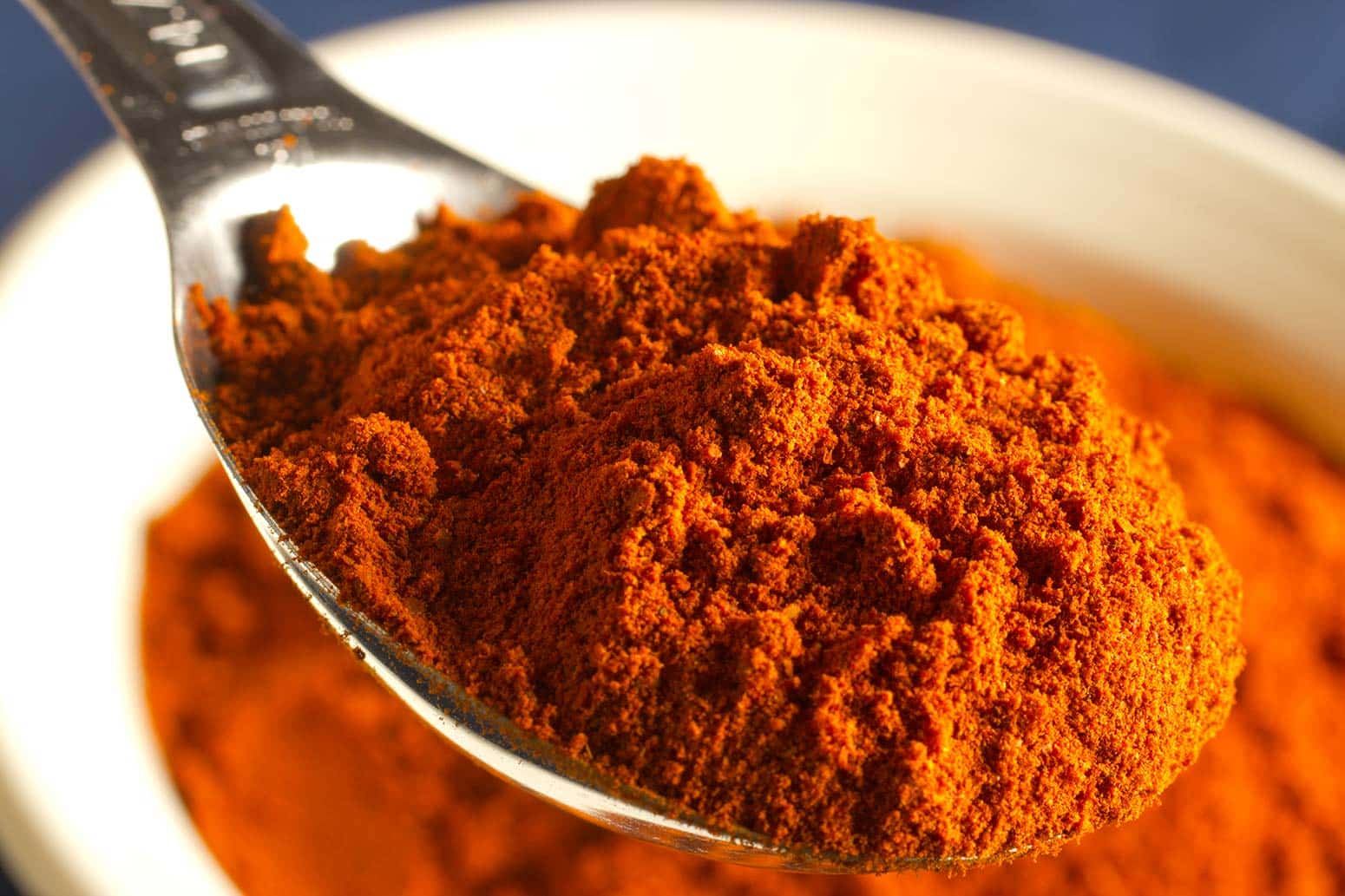
Ethiopian Berbere Paste
Ingredients
- 1 teaspoon black peppercorns
- 12 whole cloves
- 12 cardamom pods
- 2 large shallots, minced
- 6 cloves garlic, minced
- 3 tablespoons vegetable oil, such as peanut
- 2 tablespoons grated fresh ginger
- 1 tablespoon salt
- 2 tablespoons paprika
- 3 tablespoons cayenne
- 1 teaspoon turmeric
- 1 teaspoon fenugreek
- Water (see below)
Instructions
- Toast all the whole spices in a dry pan over medium heat until they are fragrant. Set them aside.
- In the same pan, heat the oil and sweat the shallots and garlic over medium heat. Do not let them color. Turn off the heat and set aside.
- Grind your whole spices in a spice grinder, then mix them with the powdered spices. In a mortar and pestle, add the shallot-garlic mixture and add the ginger. Pound it well for a minute or two. Start adding the spice mixture, pounding and mixing all the way, until you have a clay-like, brick red mix. You now have berbere in its most preservable form.
- In the fridge, I’ve kept this for a year with nothing noticeable happening to it. But, this is tough to use. So if you want to use your berbere now, start adding some water, a tablespoon at a time, to thin it out to the consistency you want.
- If you don’t want to make berbere the old-fashioned way, you can put the wet ingredients in a food processor, add the spices and then drizzle in water or oil as you buzz it on low. Remember this stuff is ferocious. A little goes a long way.
Nutrition
Nutrition information is automatically calculated, so should only be used as an approximation.




Hello,
Your website is my go to for all things duck. I have bone in duck breasts and Berbere spice. Would you recommend those together? I was thinking of leaving the bone in, then rendering the fat on the stove and finishing on the Traeger.
Yvonne: That should work well. But I’ve not yet tried it.
At 8 years of age, the whole family visited my Father’s and Mother’s family, then I went to visit again at age 14 for two months at my paternal Grandfather & Grandmother’s home.
My Grandfather hunted rabbits, pheasants and ducks on the island Inseln Fohr, in North Germany, on the Nord (North) See (Sea). He finally shot an all black pheasant he had wanted for so long as they are rare. Then he had it stuffed but ultimately he wished he had just left it be. At age 14, I also got to see the hunters lodge, a rickety old thatch roof building (shed?) with a nasty green couch. In the back was a pond, with a large fenced area going down to smaller areas then a cage. A live duck was kept for attracting the wild ducks.
To get to the lodge, Grandpa pulled two planks from the bushes and put them down over the ditch from the road to the other side. No walkway otherwise to the lodge.
When we were younger and the family had visited Mom’s side of family, then my Dad, Mom watching from the road, and brother and me trudged through the marsh area with Grandpa his dog and a friend who had two ferrets. We got to watch how they flushed a rabbit out of the burrow, and Gieto the dog retrieved the rabbit.
Later, 10 year old me, I begged my dad to take Grandpa’s rifle to the non-touristy beach so I could see it shot. We left early and I whined until Dad let me aim it over the ocean, and he said do NOT brace the butt against your shoulder, do not leave your eye against the scope, do NOT pull the trigger no matter how often you’ve seen or heard it, it is squeeze lightly never pull, I said ok, and should I aim at the seagull on the rock out there? No. So I wedged it against my shoulder, yanked my eye away, thank God, and pulled the trigger. Bang and puff powder on the rock, an angry seagull sqwacked up a storm, my shoulder felt like it was dislocated and Dad took the gun and we scurried back to Grandpa’s just in time to see Grandpa speaking with a police officer. My dad said I’d been in the army what was I thinking?! Of course someone saw Dad and I with a gun walking out of town and called the police. Of course Dad got hollered at by Grandpa and I know I heard a few German Swear words too. The officer accepted Dad’s contrite apology, which is a good thing as German Gun Laws are strict.
So we had our first taste of pheasant and rabbit. All the men brought the rabbits or ducks, etc., to Grandpa’s butchery, as he dressed them.
On my mother’s side, Bavaria, I asked my dad if we should tell Grandma that a chicken had drowned in her steaming hot bucket of wash water,. I stilll remember to this day, her asking what I said. She laughed and told Dad bring her back in 20 minutes. So that’s how you loosen feathers to pluck the bird, eeeewww. LOL. She cut the ends off and dryed feathers to stuff pillows and homemade quilts. Very warm!.
Your receipes bring back memories!
Hank,
Have you ever made a fresh sausage using Berbere?
Thnx
David: Yes, I have. It’s great.
Hi Hank
Super fascinating- thank you.
I can’t wait to try both the chicken and the lamb stew 🙂
Considering the name, does the Barberry (Berberis spp or Mahonia spp) containing Berberine, originally have any part in this spice mix or cuisine?
There are several varieties that grow in Ethiopia, and all over Africa.