So my friend Scott over at the Sausage Debauchery and I are emailing about the weird Italian stuff he imports, and he cryptically says, “Look into cicerchia if you’ve not heard of them (I’m sure you have) they’re related to the chickpea, AKA chickling vetch and flat pea.”
Well, as it happens, I had not heard of this weird bean. But I am a fan of weird beans, in no small part because another friend, Ken Albala, wrote a history book called Beans that I found way more interesting than I thought a book about pulses could be. Legumes fascinate me: They probably predate grains as a source of food for humans because they are larger and easier to harvest than little seeds of barley or wheat. Indeed, the cicerchia, as the Italians call it, is very, very old. Possibly one of the oldest cultivated plants in human existence. I had to have some.
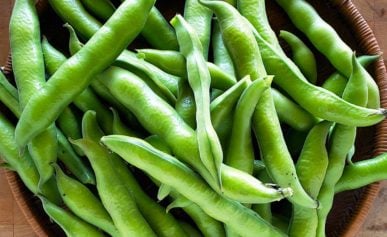
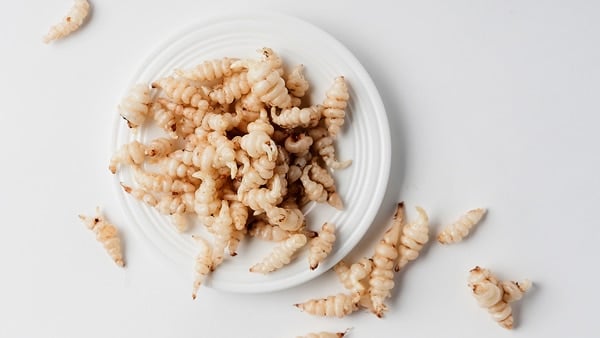
Scott sent some over. He’s one of a small number of importers selling this rare bean, although I have seen them from time to time at Corti Bros. here in Sacramento. When the beans arrived, they were curious. A cross between a chickpea and a black-eyed pea. Definitely Old World. New World beans look like, well, beans — pinto, kidney, Great Northern, etc. Old World beans are funny-looking — think favas, black-eyed peas, lentils, chickpeas.
I immediately went to Ken’s book and looked in the index for cicerchia. Nothing. So I tried one of the other names Scott had mentioned. There we go — “Chickling Vetch, page 89.” I turned to the page, and noticed I was in Ken’s chapter entitled “Oddballs and Villains.” Not a good sign.
Apparently cicerchia has been a famine food for eons because it can withstand brutal droughts that would kill any other legume, save the tepary bean of the Sonoran Desert (as it happens I am growing tepary beans now). So in tough times, people in Italy, Spain, India, Ethiopia and elsewhere relied on cicerchia as their main sustenance for months.
Bad idea. Chickling vetch contains something called diaminopropionic acid. Translated, this means your ass will wither away and you’ll get nerve damage if you eat these beans every day for months. The disease is called lathryism; cicerchia’s proper name is lathyrus sativus.
I emailed Ken. “Um, I have a bunch of these beans. Should I eat them?” Ken said sure, and in his book he says, “eating the beans now and then poses no danger, only excessive consumption every day for several months. Thorough soaking and cooking also purportedly leaches out most of the neurotoxin.” Well, hell! I just played around with sassafras, which some say will give me cancer. Screw it, let’s cook some cicerchia!
Right out of the gate, I wanted to be sure I could taste the beans, so I just whipped up a simple cicerchia bean salad: beans, feta cheese, lots of parsley, garlic and some grape tomatoes. Good olive oil and a hit of lemon juice at the end. Easy-peasy.
My first taste of the villainous bean…
Damn. I knew this was going to happen. I like cicerchia beans. I mean really like them. They taste like a cross between a chickpea and a lentil, with the texture of a black-eyed pea. There’s something else, a dusty kind of flavor, not earthy so much as desert-y. Absolute effing bummer. I could see why the Slow Food movement fought to bring this bean back from the edge of extinction in Umbria, and I definitely could see why hungry Ethiopians could gorge themselves on these things… and then get permanent nerve damage that includes the withering of the gluteus maximus.
So what did I do? Well, I made several other dishes with them. Consider it a weight-loss diet.
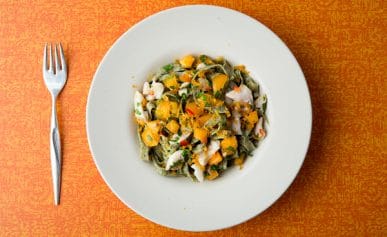
I was watching Top Chef after eating this salad when I was struck by an inspiration: If cicerchia are famine food in Italy, well then so are acorns. I still have some acorn flour left over from last winter, so why not make an acorn flour pasta, stuffed with a puree of cicerchia beans, pecorino cheese and herbs? Truly a gourmet dish made from humble ingredients.
Only I failed miserably at my first attempt. I forgot that my acorn flour is pretty coarse — coarse enough to disrupt the gluten formation in the wheat flour it’s cut with. The pasta dough just fell apart. Fail. Then I added too much olive oil and lemon juice to the pureed cicerchia beans. They became more of a hummus than a pasta filling. Double fail.
What now? Now I took my inspiration from Top Chef, where nearly every week one contestant has his or her dish fail. How they respond is the question. So I decided to roll out the dough by hand to make acorn flour piadine, which are essentially Italian tortillas. Then I just plunked the cicerchia bean dip into a bowl. There. Dinner. Chips and dip. Sue me.
It was good, too. I adjusted several things and got the pasta and filling recipe right, so if you want to make cicerchia bean agnolotti, as was my initial plan, you can now. I can tell. You’re feeling better about rushing out to the store for acorn flour and rare Italian beans…
Before I began to feel my ass slipping away from me, I wanted to make a cicerchia bean soup. OK, I admit it. I am fixated on a neurological condition caused by eating too many hard-to-find beans that, among other things, specifically strikes your butt muscles. WTF?! But I digress.
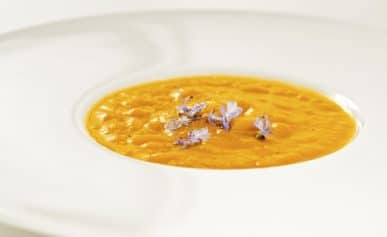
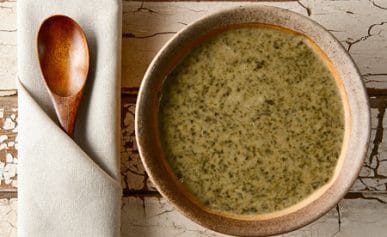
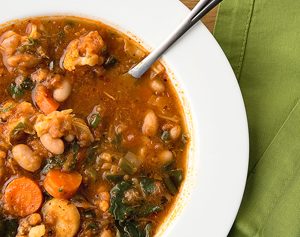
The soup, my friends, rocked. I mean rawked! Of course, the beans were only part of the party. I decided to sex up the dish with borage leaves — Why? Because they are overrunning my garden and needed to be taught a lesson. And I’m not finished. I used homemade pheasant broth, and, just to up the yum factor, added some pheasant confit. Yeah, I went there. Look, hunting season is almost here and I needed to empty the freezer. Confit seemed, well, oh so right.
And it was. The combination of the cooling borage leaves — they taste like cucumber — the silky pheasant confit, the dusty, lusty cicerchia beans, good broth and a little pecorino cheese made this one of the best soups I’ve ever made.
It is also one of the least repeatable. Made with beans that are delicious but deadly (much like lead paint), with wild game broth, pheasant confit and borage leaves from the back yard, I wonder if I could ever make this exactly the way I did again? Then I realized, who cares? I can substitute all sorts of things — spinach for borage, duck confit for pheasant confit, etc — and it’d still be good.
Only I think I’ll wait a little before trying to repeat this soup. I like my ass the way it is.
MORE ON CICERCHIA BEANS
- Cicerchia Bean Salad
- Another cicerchia bean salad, from Cook Eat FRET
- Cicerchia Bean Soup
- Another version of a cicerchia bean soup, from Mess in the Kitchen
Buy Cicerchia Beans Online:


[...] A delicious bean that can kill you. [Hunter Angler Gardener Cook] // [...]
Oh, now I see what’s going on. You’re trying to shrink my padunkadunk. That’s it, pal, I’m eating ice cream every night this week!
I also love beans, Ken Albala’s book on beans, and I’m willing to flirt with danger for a legume. I may have to hunt them down (my kind of hunting).
I am also guilty of making soups like yours where the chances of a repeat performance are almost nil.
Thanks for sharing this.
this is the best post yet. lots of laughs and fascinated by the bean! thanks!
This is the best food blog post I’ve ever read, period. So funny, so creative, so damn tasty sounding. You rawk! I don’t have any cicerchia beans around, and I like my bum the way it is, but I have some black-eyed peas that are destined for a nice bean salad, pronto!
Hank, you’re kind of pissing me off with this post. I mean, seriously, what are the chances that I’m ever going to be able to make that soup? And I really, really WANT THAT SOUP. Yes, I’m yelling at you. You and your home-grown borage and homemade broth and pheasant confit. AND DELICIOUS SOUP THAT I’LL PROBABLY NEVER BE ABLE TO MAKE. Don’t even bother reminding me that I could try it with one of those “substitutes.” It’s not the same, and you know it.
Since you make me laugh, I guess I’ll forgive you for mocking me with these tempting, unlikely recipes. This time.
p.s. – you know I’m only kidding right? Mostly.
Laughed my butt off and I didn’t even eat any of those beans…
We like your backside the way it is also. No more beans for you!
I’m not sure I’d have the nerve to make this soup, knowing what I now know about the beans, but it sounds so gooooooooooood!
I’ve been trying to get my ass to wither away for years, and now I know why my efforts have come up short — no cicerchia bean.
It’s a small leguminous world. I recently contacted Ken Albala for a magazine article on beans I was writing. I should have guessed you two would know each other.
Great post, Hank! You crack me up. Ditto all of the above…
Now there’s a bean that knows how to take care of itself. An unusual kind of ass-whooping it delivers, though.
Hey Hank THIS is a great posting. They are very endearing beans aren’t they? You’ve actually cooked them many more ways than I’ve ever dreamed. Do let me know when your limbs begin to go gimpy and all!
Some beans can bring the pain. I once made a bean soup and undercooked the red kidneys and they left me dry heaving all next day. Was not pleasant.
“Borage leaves — Why? Because they are overrunning my garden and needed to be taught a lesson.” Very funny Hank! I enjoyed this post a lot. I’m excited to hear about your preparations for the tepary beans!
Wow, what a GREAT blog. I will definitely be returning. I followed a link … from somewhere. I had never heard of cicerchia beans, but they sound interesting. And then I noticed the latin name: Lathyrus. Well! This is just a relative of the sweet pea, then. Not quite as exotic as all that. (That leaves me wondering, though, if eating sweetpeas could lead to the same problem?)
Sweet pea (Lathyrus odoratus) contain a different toxin to Lathyrus sativus. L. odoratus contains BAPN which causes skeletal abnormalities if it’s fed excessively to animals. That’s only ever happened in experimental conditions and there have been no cases of toxicity in humans or animals from eating Lathyrus odoratus, even large amounts. That said, I couldn’t vouch for deliciousness of sweet pea!
I was in Matera last summer and had these beans in a soupy puree with sauteed chicory. It was such a great dish. I have been perfecting it using some cicerche beans I brought home with me and
have also tried it with fresh fava beans. A hearty soothing sensual dish.
Love it
Cicerchia forever! bring it on. less meat and more legume for everyone!