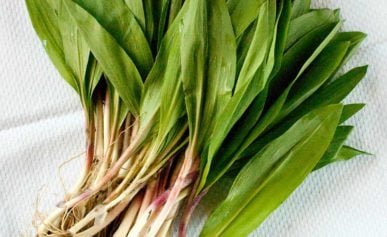
Most people know me as a meat and fish guy, but I love working with wild greens and herby things every bit as much — especially in springtime. What follows are my favorite recipes for greens like nettles, wild green onions, wild mustards, etc. Not all are vegetarian, but all can be made so easily.
Find It Fast
- Cooking Basics
- Harvesting
- Recipes: Pasta Dishes | Other Starchy Dishes | Pesto | Other
Cooking Basics
Here’s my go-to method for cooking most wild greens:
- Wash and chop.
- Sauté in olive oil (or bacon fat) with salt, garlic, chile and maybe a little broth or wine.
- Cook over high heat and toss around until the greens are wilted by still vivid. Serve at once.
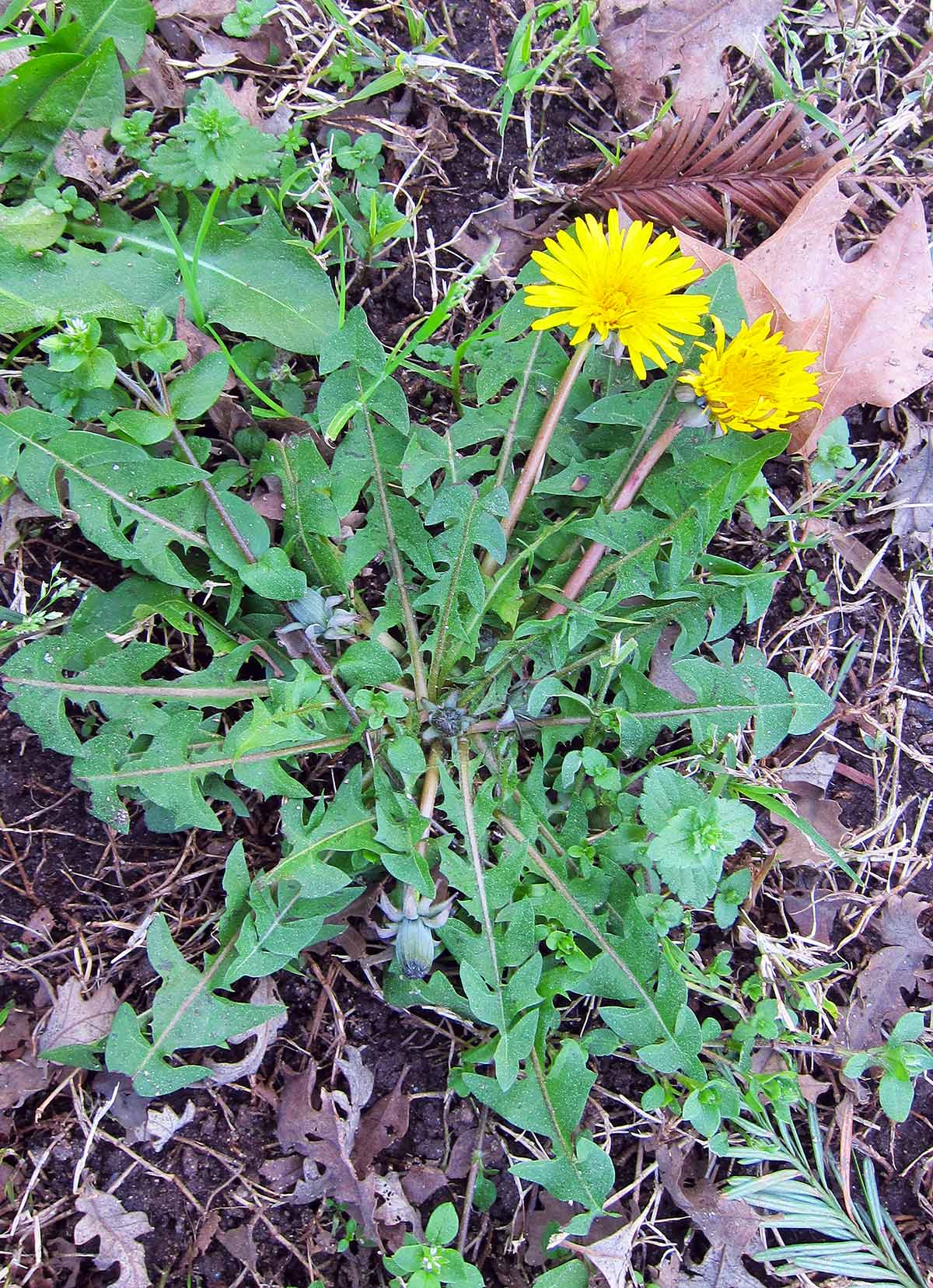
Use that basic recipe for dandelions, wild lettuces and chicories, amaranth, lamb’s quarters, pigweed, New Zealand spinach, sea rocket, orache and basically any other edible leafy green you find in the wild.
Not that there is a special category of wild greens in Mexico known as quelites. Here’s a primer on what are quelites and how to use them.
Harvesting
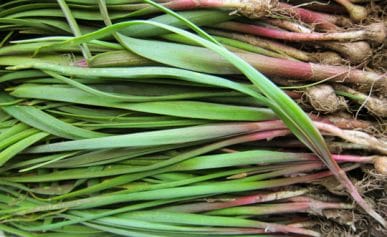
How to Harvest Wild Onions
How to responsibly harvest wild onions of any type — ramps, etc. — and how to clean and store them.
Read More
Foraging for Wild Greens: Dandelions, Wild Lettuces, Chicories
How to identify, harvest and eat some of our most common edible “weeds,” including dandelion greens, chicory, wild lettuce and their cousins.
Read More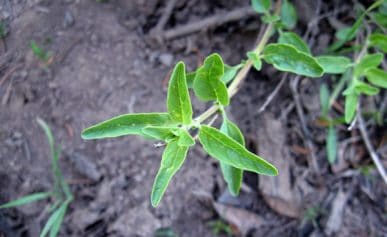
Wild Herbs: Monardella Villosa
If you live in the West, you can find yourself some truly wonderful wild mints. These are the monardellas, the coyote mints and mountain pennyroyals. Here’s how to find, store and use them.
Read More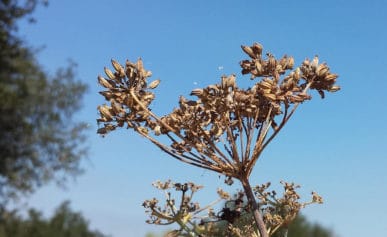
Harvesting Fennel Seeds
Harvesting fennel seeds isn’t hard, but there are a few tips to it. Here they are.
Read More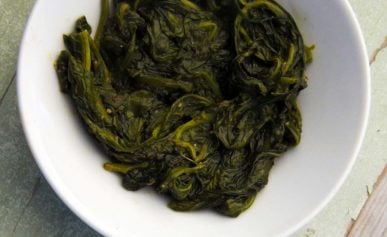
Gathering Curly Dock
How to identify and cook with curly dock or Western dock, common weeds that are like tangy spinach.
Read More
Pasta with Wild Greens
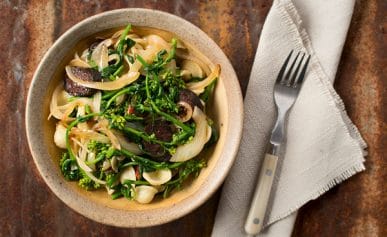
Rapini with Orecchiette and Garlic
Wild mustard flower buds, tossed with pasta, garlic and a little salami.
Read MoreA traditional ravioli from Liguria, in the northwest of Italy. Borage tastes a little like cucumbers, and it’s a great match with ricotta cheese.
Read More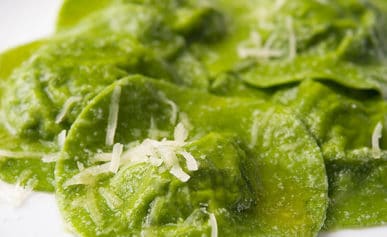
Nettle Ravioli
Another classic Italian pasta, this one is from the northeast of Italy. It uses the nettle pasta in the next recipe.
Read More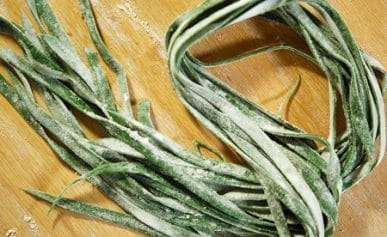
Nettle Pasta
This is strettine, a nettle linguine from Emilia Romagna. The vivid green is pretty cool.
Read More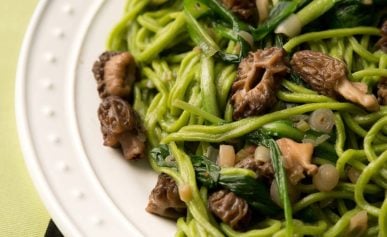
Ramp Pasta with Morels
Yes, you can make pasta with the green leaves of ramps or other wild onions. Served with a simple saute of morels with a little broth and you are good to go. A plate of springtime!
Read More
Other Starchy Dishes
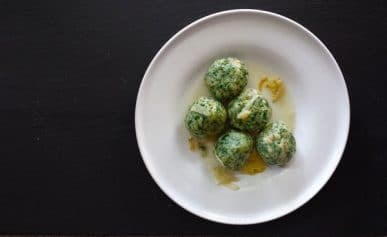
Italian Ricotta Spinach Dumplings
A Northern Italian dumpling of bread and green things, spinach or wild greens. Easy to make, tasty — and thrifty. Serve with fresh garlic and good butter.
Read More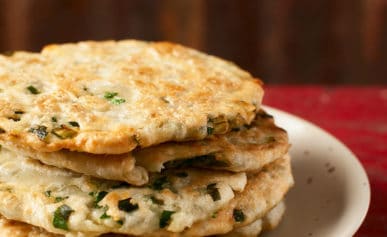
Chinese Scallion Pancakes
Chinese savory flatbreads that are an addicting snack. Make more than you think you can eat. They are made of awesome.
Read More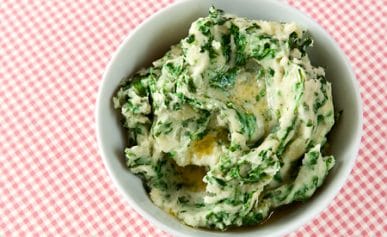
Irish Colcannon with Wild Greens
Colcannon is an Irish mix of mashed potatoes with green things. In this case, cow parsnip. Any greens work, though.
Read More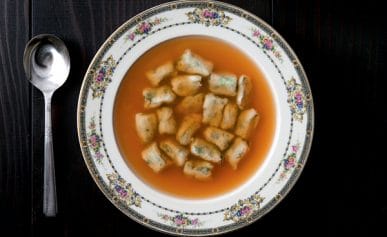
Carrot Consomme with Gnocchi
Soft, pillowy gnocchi made with ricotta and cow parsnip leaves (you can use any green herb), served with an elegant-yet-easy carrot broth.
Read More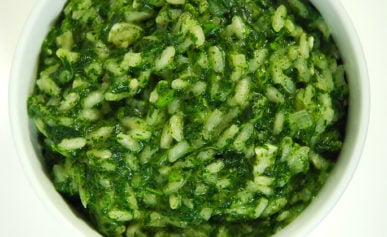
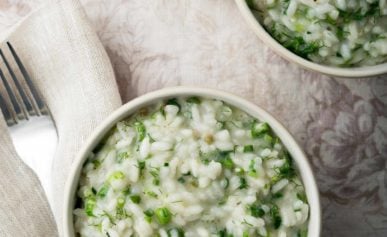
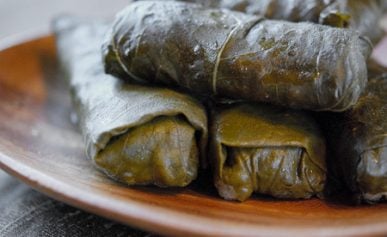
Foraging Mallow – Hiding in Plain Sight
Also known as dolmades, these are stuffed grape leaves or mallow leaves filled with rice and herbs
Read MorePesto
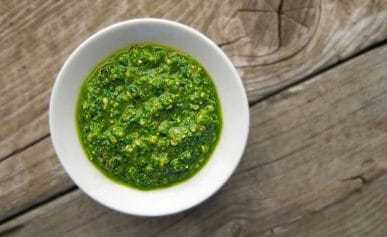
Ramp Pesto
Ramp pesto with pine nuts, walnuts or pecans, a little garlic and parmesan or pecorino cheese.
Read More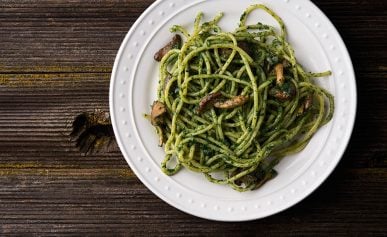
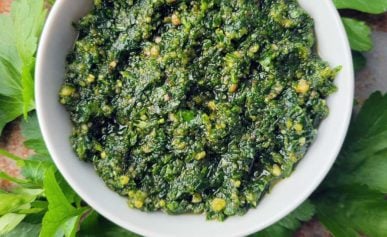
Parsley Pesto
Classic Northern Italian parsley and walnut (or pecan) pesto. Great with salads or pasta.
Read MoreOther Dishes
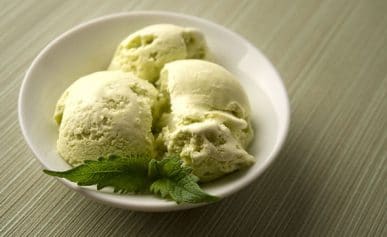
Fresh Mint Ice Cream
A wild mint ice cream made by steeping fresh mint leaves in cream overnight, giving the ice cream a fuller, more herby mint flavor you can’t get with extract.
Read More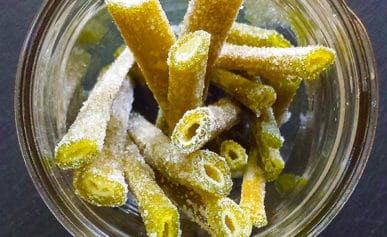
Candied Angelica
Angelica, lovage or fennel stems are hollow, so when you candy them, they make great straws, or zippy notes as a dessert garnish.
Read More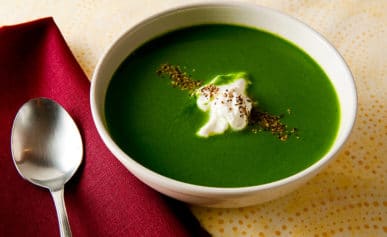
Scandinavian Nettle Soup
This is nasselsoppa, a traditional Scandinavian soup of nettles and fish. My version is just about the greenest thing you’ve ever seen.
Read MoreAnother green soup with the cooling flavor of borage. Other greens work, too.
Read More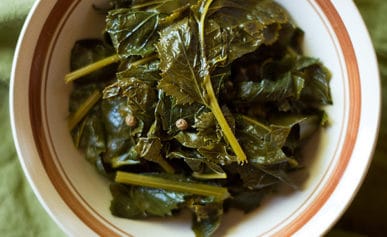
Pickled Mustard Greens
I make these every year when our wild mustard greens come ready. It’s a little like kimchi meets sauerkraut, and it’s a common ingredient in Chinese cooking – also good on a bun with sausage.
Read More