Helping hunters, anglers and foragers make great meals since 2007.
Hank Shaw – Hunter, Angler, Gardener, Cook
Explore The Site

The Latest Posts
Mexican
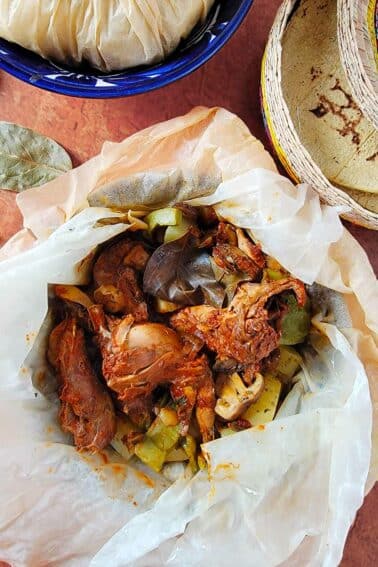
Mexican Mixiotes
Mixiotes are Mexico’s version of foods cooked in parchment. It’s an ancient, versatile way to cook. Here’s a recipe and some tips and tricks to make them at home.
Recipe
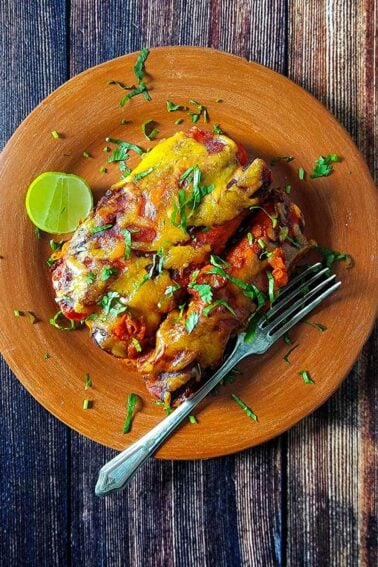
Venison Enchiladas
Classic venison enchiladas are easy to make, delicious and make for fantastic leftovers. What’s more, you have plenty of filling options.
American Recipes
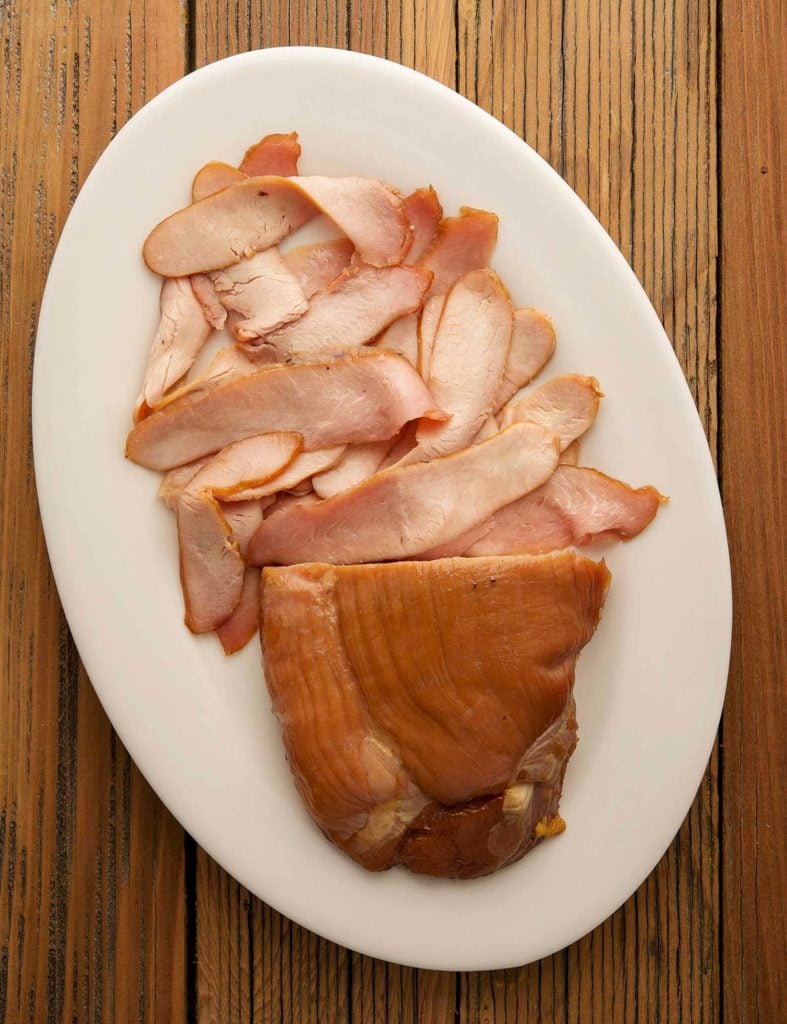
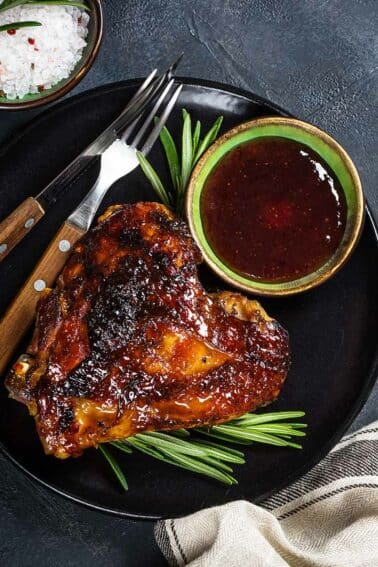
BBQ Turkey Legs
Slow cooked, barbecue turkey legs are a great option for your wild turkey this season. Here’s how to go about it.
Popular Recipes
Venison
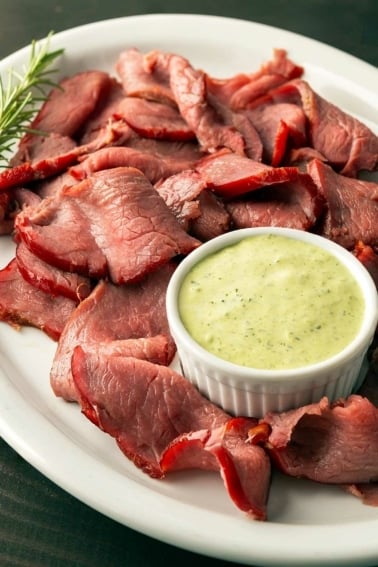
Venison 101: How to Cook Venison
A comprehensive look at how to cook venison that covers all types of venison and all cuts. Here’s a basic breakdown on what to do with your deer meat.
Foraging
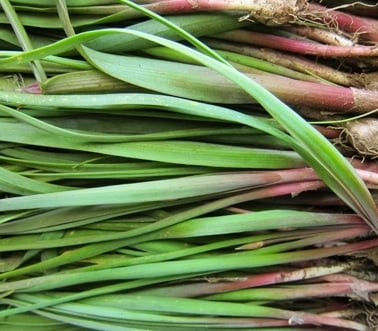
How to Harvest Wild Onions
There’s a lot of talk out there about people overharvesting ramps, the most dominant wild onion in the East. Some of that talk is true. Here’s how to responsibly harvest wild onions of any sort, as well as how to prepare, store and preserve them.
Fish
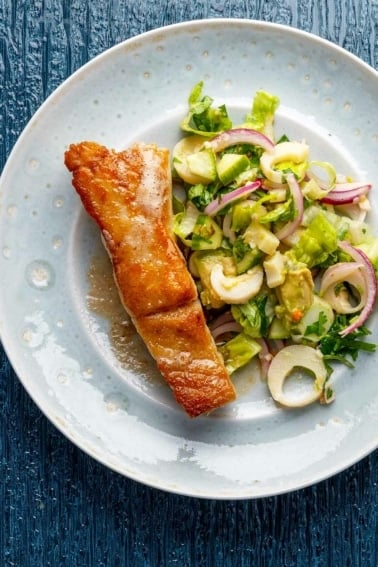
Perfect Seared Fish
Searing fish perfectly is a skill any cook should have, especially if you catch your own fish. I’ve been cooking fish this way for close to 30 years, both professionally and at home. Here’s how to sear a fish, step by step.
Mushrooms
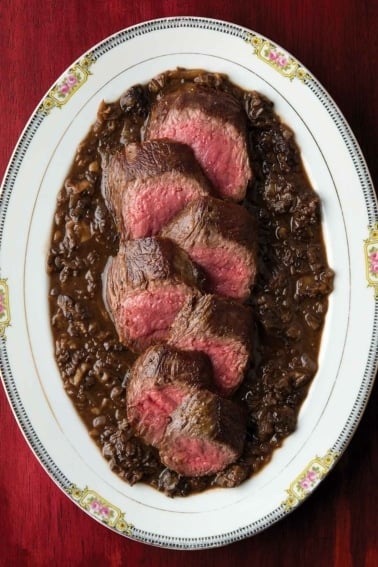
Morel Sauce with Venison
It’s morel season at last, and in celebration, I’ve revamped one of my favorite recipes for venison and morels. No fresh morels in your area yet? Use dried. They work fine in this recipe.

Hi, I’m Hank Shaw
I’m a James Beard Award-winning author and chef. I started this site back in 2007 to help you get the most out of all things wild: fish, game, edible wild plants and mushrooms. I also write cookbooks, have a website dedicated to the intersection of food and nature, and do a podcast, too. If it’s wild, you’ll find it here. Hope you enjoy the site!
Mushroom Recipes
Mushrooms are endlessly fascinating in the kitchen, whether they are wild or cultivated. Springtime is when the first edible mushrooms start showing, and morels are the star of the show. Here are some fun and tasty mushroom recipes for your harvest.
Mushrooms
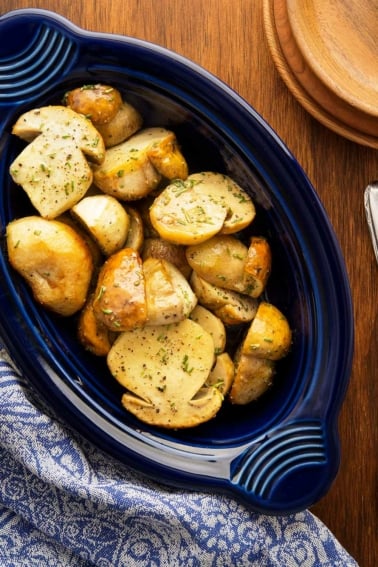
Garlic Roasted Mushrooms
This is a simple garlic roasted mushroom recipe that works with any meaty mushroom, from porcini to shiitake to regular button mushrooms.
Mushrooms
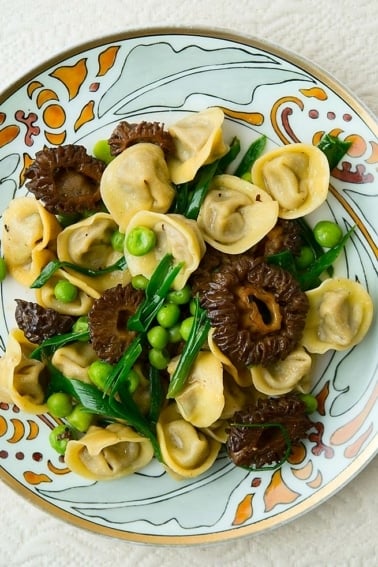
Mushroom Tortellini
When life gives you mushrooms, make tortellini out of them. I love these little packets of love, and making them with wild mushrooms is especially lovely.
Mexican
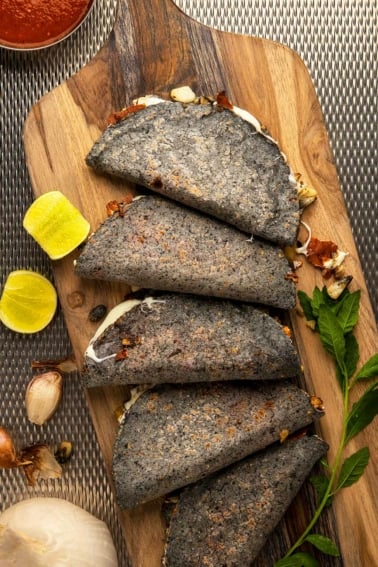
Huitlacoche Quesadilla
A recipe for huitlacoche quesadillas. Huitlacoche, “corn smut,” is a mushroom that grows on corn, and is amazing cooked with chile and onion on a tortilla.
Mushrooms
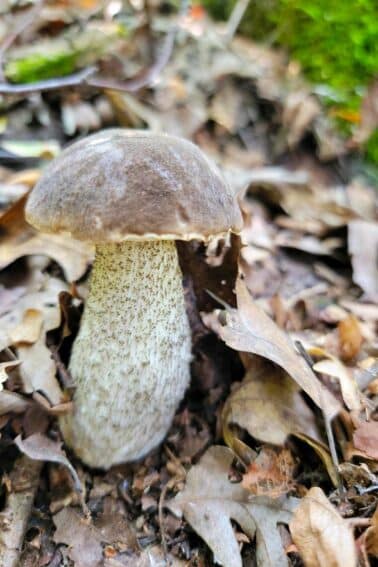
Birch Bolete Bonanza
How to identify, harvest and cook the birch bolete, Leccinum scabrum. Birch boletes are edible, but best dried first.


Sweet Things
A selection of recipes for snacks and desserts featuring wild edible plants. You’ll find baked goods, ice creams, cookies and cakes, all using wild nuts and berries.
Mexican
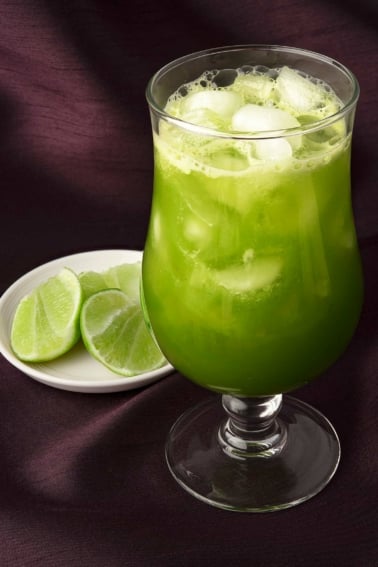
Cucumber Agua Fresca
How to make a cucumber agua fresca with lime and a touch of salt. This is a great hot-weather drink that also uses up cucumbers if you have too many.
Sweet Things
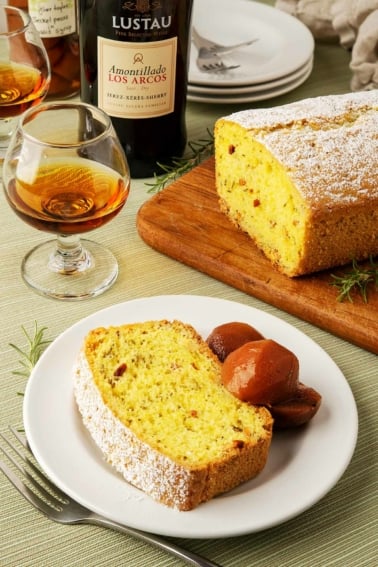
Olive Oil Rosemary Cake
A recipe for an olive oil rosemary cake with pine nuts. This is an Italian cake that isn’t too sweet, and is great with preserved fruit and a little liqueur.
Sweet Things
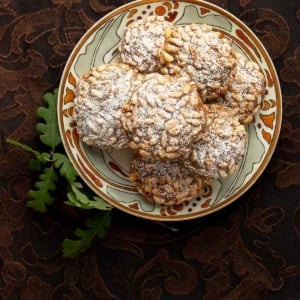
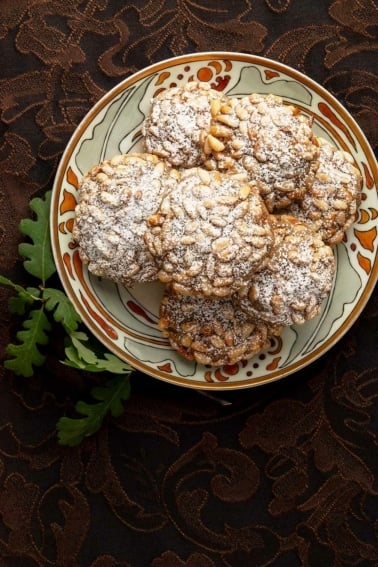
Pine Nut Cookies
How to make pine nut cookies, pignoli, with American pine nuts — although any kind of pine nut works. These cookies have a touch of rosemary in them and are not too sweet.